
Corbin just turned 11. He loves baseball, writing stories, and playing with his friends. He is a proud military kid. He is in the fifth grade and has attended four schools and moved three times. Like so many military kids, he makes friends and then is sad when he has to say goodbye. Each time he starts over, he is “the new kid” again. He struggles with making new friends, adjusting to new teachers, and finding activities he enjoys. As he gets older, every move will make it harder for him to make friends, register for school, and participate in the extracurricular activities he loves so much.
Supporting Military Child Education
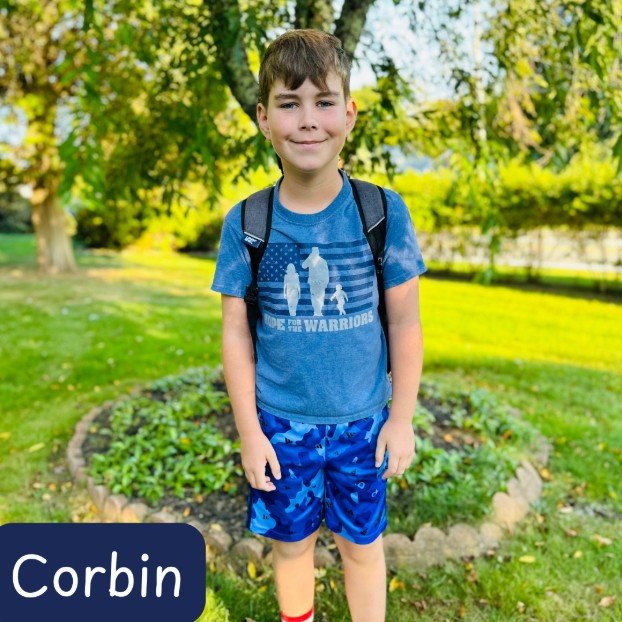
Corbin’s story is not unique. His older brother, along with more than 1.6 million military children across the country, face similar struggles, yet they all show incredible resilience and adaptability. The Interstate Compact on Educational Opportunity for Military Children aims to ease school transitions by ensuring proper placement, access to extracurricular activities, and on-time graduation. Additionally, 43 states have implemented or approved Purple Star School Programs, which are designed to support the unique needs of military-connected students.
However, military families will tell you that even with these initiatives, challenges persist. Many families receive their relocation orders just 30-60 days before a move, making it difficult to secure housing and, in turn, enroll their children in school. Without proof of residency, students are often left waiting, unable to register for classes, sports teams, or extracurricular activities.
Military Children as Caregivers
Now, imagine a military child who also takes on the role of a caregiver.
Meet Jade. She’s 14, loves reading, art, and swimming, and is also helping care for her mother, an Army veteran who medically retired last year due to service-connected injuries. Jade is not alone. There are 14.3 million military and veteran caregivers nationwide, including 2.3 million children under 18 who live with a disabled veteran. Recent studies have shown there are significant gaps in support for military caregiving families. These young caregivers like Jade face additional challenges, including:
- Financial Strain: Families often experience reduced income and increased expenses while navigating complex military benefits.
- Emotional and Physical Stress: Caregivers, especially children, experience burnout, anxiety, and isolation due to their responsibilities.
- Time Management Challenges: Balancing school, caregiving, and self-care is a daily struggle.
- Navigating Military Support Systems: Many families are unaware of available resources or face barriers to access.
- Relationship Strain: Juggling caregiving responsibilities impacts friendships, social activities, and family dynamics.
According to the Rosalynn Carter Institute for Caregivers, 44% of caregivers in military families care for more than one recipient, often balancing the needs of a wounded veteran, younger siblings or children, and aging parents or grandparents.
In 2014, following the publication of the seminal Military Caregiver RAND research report, HOPE joined forces with the Elizabeth Dole Foundation to expand its support nationally. Today, HOPE’s Director of Strategic Alliances, Jordan Huffman, serves on the Elizabeth Dole Foundation’s Hidden Helpers Coalition and co-chairs the Hidden Helpers Peer Support Coalition, a national initiative dedicated to uplifting the voices of military and veteran children and teens who are caregivers.
Honoring Military Children: Their Strengths
The challenges faced by military children such as frequent relocations, school transitions, and caregiving responsibilities are undeniably difficult. However, these experiences also cultivate remarkable strengths that set military children apart. Constant moves teach adaptability, making military kids quick to adjust to new environments and embrace change with open minds. By navigating new schools and communities, they become skilled at forming connections, building friendships, and understanding diverse perspectives.
Military caregiving children, like Jade, develop a deep sense of empathy and responsibility beyond their years. Balancing caregiving duties with schoolwork and personal interests shapes them into compassionate, resilient, and resourceful individuals. These young caregivers often grow up to become strong leaders, advocates, and compassionate supporters in their communities.
Even the emotional challenges of saying goodbye to friends and loved ones shape military children into resilient, independent thinkers who understand the importance of cherishing the present and valuing deep relationships. This strength helps them navigate life’s inevitable uncertainties with grace and determination.
Supporting Military Families at the Warrior Games
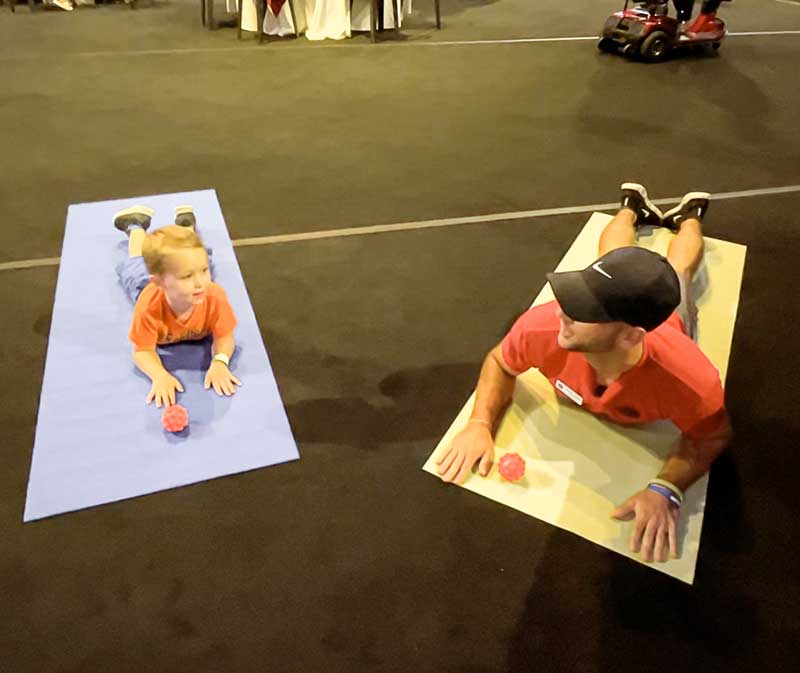 At the 2024 DoD Warrior Games in Orlando, Hope For The Warriors met Jade, whose mother was competing in archery, alongside other adaptive sports like swimming, track, and field. Jade shyly approached HOPE’s activity table and quietly selected materials for rock painting. As she painted, Jade shared that her mom and a new friend from her current school were her “rocks,” AKA, the people who support her. Over the course of the Games, Jade returned to HOPE’s Zen Den, where she learned breathing techniques, participated in a kids’ yoga challenge, and made friends with several military kids her age.
The Department of Defense Warrior Games celebrate the resilience and mental toughness of military service members, and for the past several years, HOPE has been honored to provide support to the families of athletes. Since 2014, HOPE has been a part of the Warrior Games Family Program, providing peer support and camaraderie to spouses, parents, and children of the athletes. Over the 10-day event, HOPE offers fun, therapeutic, and educational activities for the entire family, including mask-making, journaling, mindfulness exercises, and circuit competitions. Through these activities, military families can engage in learning resilience-building skills, stress management, communication, and more.
The Warrior Games provide an incredible opportunity for wounded, ill, and injured service members to participate in adaptive sports that help them recover physically and mentally. Since its inception, HOPE has supported military spouses and families at this event, offering respite and activities for children and adults alike. This year, we’re working to expand our offerings at the 2025 Warrior Games in Colorado Springs, providing essential therapeutic supplies such as yoga mats, art therapy materials, and Zen Den supplies.
Help HOPE Support Military Families at the 2025 Warrior Games
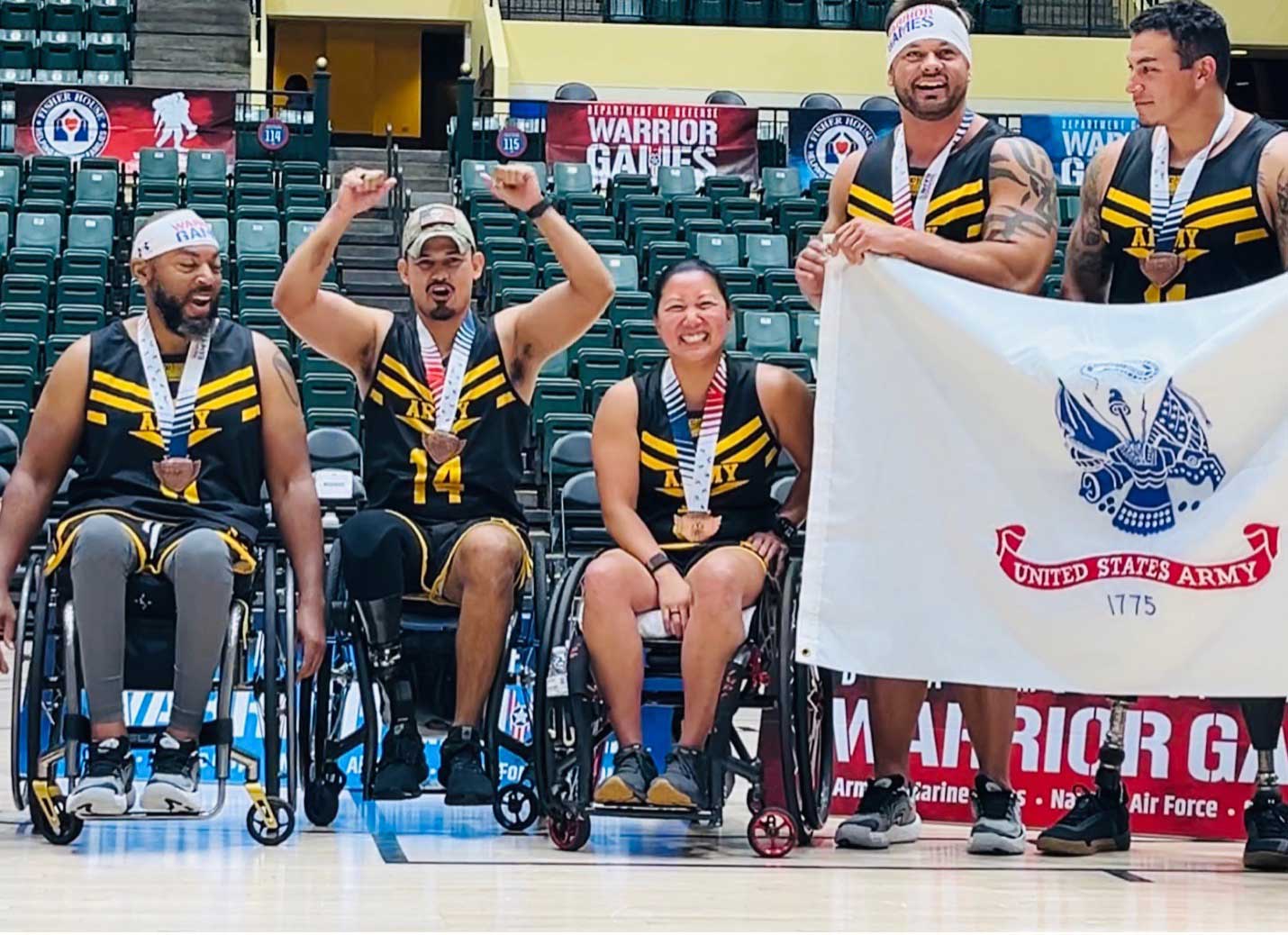 You can make a difference by helping HOPE provide therapeutic activities for military children at the upcoming 2025 DoD Warrior Games:
- $50– Supports physical activities (yoga mats, bands, blocks)
- $250– Art therapy supplies (oil pastels, colored pencils, sketchbooks)
- $250 – Educational supplies (CBT flashcards, worksheets, prizes)
- $500– Zen Den supplies (pillows, essential oils, weighted blankets)
- $2,500 – HOPE gear for families (t-shirts, fanny packs, stress balls, water bottles)
- $5,000 – Operational support for staff time & talent, travel & lodging
HOPE continues to offer essential resources and a sense of community to military children, caregivers, and families as they navigate the unique challenges of military life. Together, we can support these young heroes in their journey.
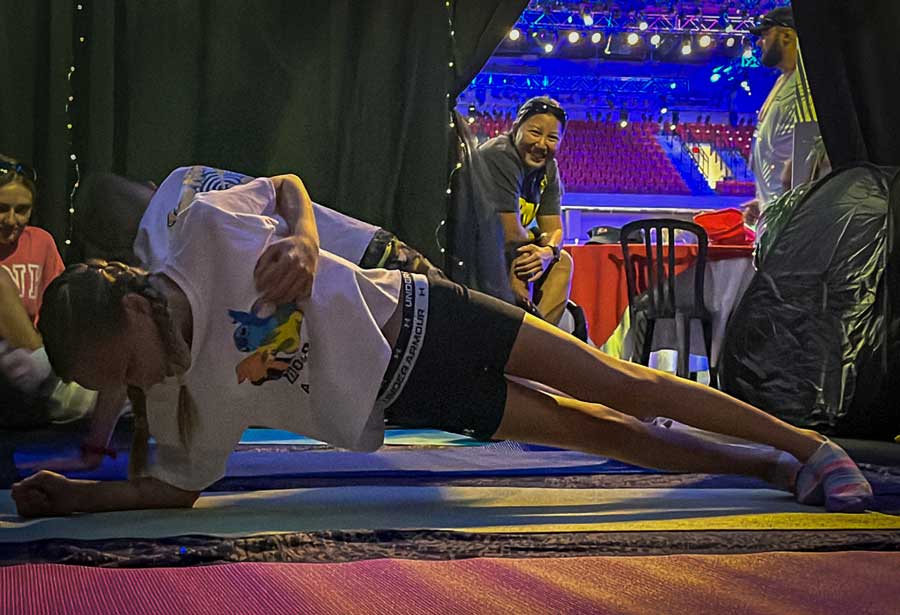 The Strength of Military Families
Military families, especially children, often face challenges that go unnoticed. As Karla Seijas, a military spouse and caregiver, puts it: “Military spouses and their kids are determined and find a way to persevere despite the challenges they face.”
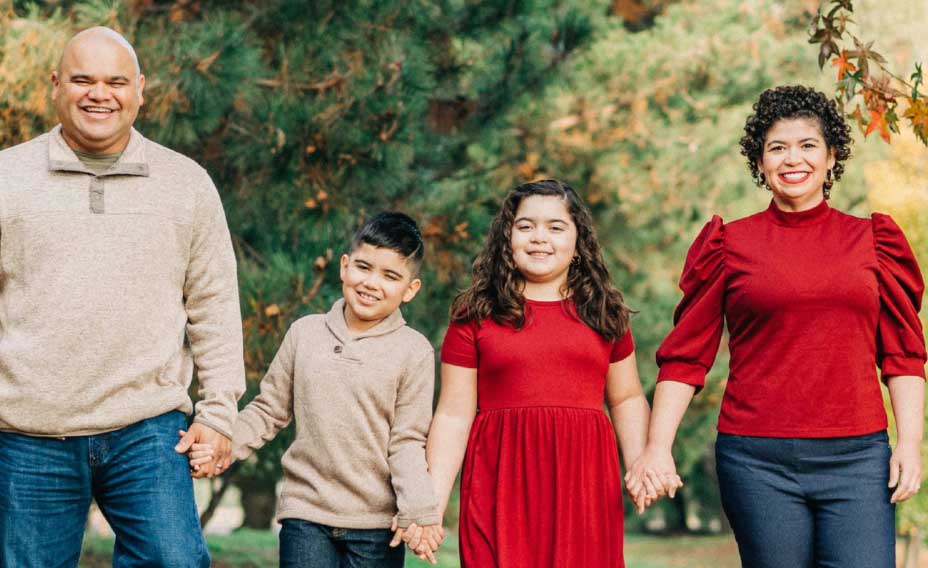 As a caregiver, she has seen first-hand the struggles that come with the job. Her husband suffers from invisible and emotional scars of war and PTSD. “I know what triggers him and what doesn’t,” she says. A lot of people don’t talk about PTSD. Karla’s family does. “My kids [a 10-year-old girl and a 9-year-old boy] know about it; they talk about it. We don’t want to hide anything from them. Maybe that opens the conversation to other people.” If you’d like to hear HOPE’s full podcast interview with Karla, click here.
How You Can Support Military Children
Over 1.6 million military children are constantly moving, dealing with a deployed parent, or stepping up as caregivers, and deserve recognition and support. Schools, communities, and organizations can help by:
- Advocating for Purple Star Schools in every state
- Ensuring military children have access to mental health and academic support
- Creating programs that connect military kids with peers who understand their experiences
- Raising awareness about the unique challenges of military child caregivers
Military children demonstrate incredible strength, resilience, and adaptability. By understanding their challenges and advocating for better support systems, we can ensure they thrive, no matter where their journey takes them.