
As Super Bowl 59 approaches, football fans nationwide are gearing up for the Eagles versus the Chiefs. This game carries a personal connection for former NFL quarterback and two-time Super Bowl champion Jim McMahon. “I spent three years in Philadelphia, so I’m kind of partial to the Eagles,” he says. “But I’m also a big Andy Reid fan. I played college ball with Andy at Brigham Young, so I’ve known him since the late seventies.”
McMahon understands what it takes to win on the biggest stage. “You just can’t treat it like a big game. You’ve got to treat it like any other week. You’ve got to prepare. If you’re prepared, you shouldn’t have any problems—you shouldn’t have anxiety or nervousness. You’ve got to trust your instincts and the people around you. You’ve been with these guys for at least a year, and that camaraderie is key to success.”
While many recognize McMahon for his football career, few know about his deep respect and connection to the military. “My folks were in the Army back in the fifties. My mom was a Sergeant—she outranked my dad, and she still does!” he jokes. “Growing up in San Jose during the Vietnam War, I saw a lot of soldiers coming home through San Francisco. They were met with hostility, and I never understood that. These guys didn’t choose to go to war; they were sent. I’ve always had a deep appreciation for our military.”
McMahon has actively supported service members, including a non-traditional tour in Iraq. “It wasn’t a USO tour—we went to places the USO wouldn’t even think about going. We hit three or four bases daily, spending time with the troops, signing autographs, and sharing stories. It was an amazing experience to see firsthand what our military does. Without their sacrifices, we couldn’t do what we do in this country.”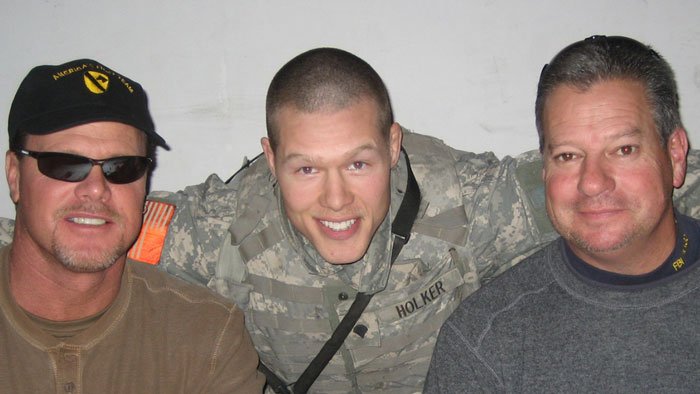
McMahon sees striking similarities between football and the military. “It’s a lot like sports—you’ve got your coaches, or “Generals,” and a chain of command. You’ve got to do your job, or you get replaced. The biggest difference is that you’re not dodging bullets or IEDs in football. But the preparation, the discipline, the teamwork—it all translates.”
The bonds forged on the football field and the battlefield are crucial. “When you’re a part of a team, whether the military or football, you rely on each other. That camaraderie is everything. And when guys transition out of service, they often struggle because they lose that structured environment. That’s where organizations like Hope For The Warriors step in. They provide that sense of purpose and support many veterans need.”
Mental health is a critical issue for both athletes and veterans. “We all have a lot of pride, which sometimes keeps us from asking for help. But some things you can’t fix on your own. You need to talk it out. You need someone to help you process what you’re going through. That’s where therapy and organizations like Hope For The Warriors make a difference. They create a safe space for service members to seek help without judgment.”
McMahon has seen firsthand the toll that mental health struggles can take. “A lot of guys shut themselves off, stop talking to friends, and that’s when the walls start closing in. That’s when we see veterans turning to self-harm. We need to get these guys into programs where they can reconnect, talk, and feel like they belong.”
Both football players and veterans deal with injuries and recovery, but the challenges for veterans are often far more significant. “We expect to have bad knees, shoulders, broken bones when we’re done playing football. But in combat, guys are dealing with missing limbs, traumatic brain injuries, and PTSD. Their recovery is a whole different level of tough.”

Despite the challenges, McMahon believes that veterans can find new purpose with the right support system. “It’s about staying active, keeping your mind engaged, and finding that brotherhood again. You don’t have to go through it alone. There’s help out there, and there are people who care.”
As Super Bowl 59 kicks off, McMahon’s words serve as a reminder that teamwork, preparation, and support aren’t just keys to winning football games—they’re essential in life, especially for those who have served. With organizations like Hope For The Warriors leading the way, veterans have a team they can count on long after their service ends.
At Hope For The Warriors, we recognize the unique challenges veterans, service members, and their families face. Whether seeking mental health support, transitioning to civilian life, or seeking a community that understands your journey, we’re here to help.
Connect to Services today if you or someone you know could benefit from our programs and services. Together, we can build resilience, restore hope, and create a brighter future for those who have served.
You are not alone—help is just a call or click away.