


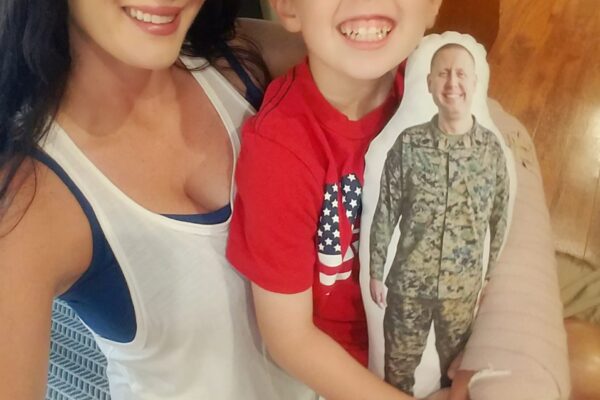
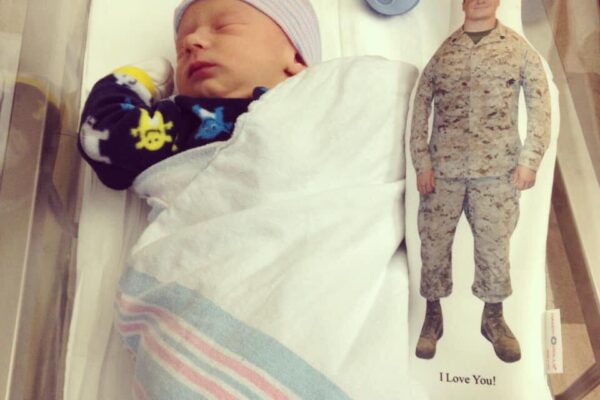



The holidays can be a magical time, with the world around feeling wrapped in joy and wonder. However, for many military families this holiday season, there will be an undeniable void in their homes and hearts as their loved ones are fulfilling deployment orders overseas and around the world.
At any given time, over 150,000 to 200,000 troops are stationed in territories outside the United States. For the spouses and families left on the home front, the weight of deployment is a constant presence, ebbing and flowing in waves of emotion. Adding to this challenge, many military families live far from their hometowns or extended relatives, making travel the only way to connect with loved ones during the holiday season.
The immediate family of military members is often seen as being “on the front lines” at home. Spouses, caregivers, children, and others within the military community shoulder immense burdens—ones often overlooked by the civilian world and even their own friends and relatives. After all, the common refrain is, “Didn’t we know what we signed up for?”
As an organization made up of over 50% military spouses and families, we want you to know: we understand. If the holidays feel less joyful this year because part of your heart is overseas, or if you’re unable to make it home to celebrate cherished traditions with loved ones, know this—you are not weak, dramatic, or alone. Your feelings are 100% valid.
To help you navigate this challenging time, we’ve gathered the collective voice of the military spouses at HOPE who have walked in your shoes. Below, they share reflections on what helped them during similar seasons—or what they wish they had known then.
Let’s start with you…the spouse who is exhausted, feeling emotionally drained, and fighting to keep it together whenever you see sweet families together celebrating the holidays. We see you and are here to support YOU.
First and foremost, let’s acknowledge that those feelings of sadness, exhaustion, and frustration are normal and completely acceptable. Your feelings are valid. You are not weak for feeling them, but utterly and completely human.
Say it with us, “I am strong enough to handle anything that life throws my way. I am capable of doing difficult things.”
Second, give yourself grace. Forgive yourself and own those moments where you may have been short tempered or were forgetful.
Third, use the months apart to strengthen your relationship with yourself. Strengthening the connection you have with yourself will, in turn, strengthen your relationship with your spouse, children, and all others who are active in your life and community. So, fill your idle time with exploring new hobbies, continuing your education, picking up the book you have put off reading, volunteering in the community, and stepping out of your comfort zone by joining a social group. Set goals for yourself to keep moving forward. Being married to someone in the military can take up a lot of your identity, but you can use this time to grow in other areas of your life.
Now, let’s talk about how we can support our kids.
Military kids often face big emotions at a young age—emotions that even adults sometimes struggle to manage. Supporting them as they process and express these feelings is crucial. Here are a few ideas to help:
- Ease anxiety with a visual command center:
-
- Family Calendar: Highlight regular activities as well as fun events to look forward to, giving kids a sense of structure and excitement.
- Holiday Checklist: Include activities you’re excited to do, whether at home or in the community, to create positive anticipation.
- Encourage open dialogue about emotions:
-
- Use tools like mood charts or printed emojis to help children identify and communicate how they’re feeling. These visuals can make emotions more relatable and easier to express. For inspiration, check out some creative examples on Pinterest!
By providing structure and fostering emotional openness, you can help your kids navigate their feelings and find healthy ways to express themselves.
Unplug and Connect!
In today’s tech-driven world, setting boundaries with electronic devices and intentionally carving out family time are essential but often overlooked. Connection doesn’t have to involve grand gestures—enhance the everyday moments already built into your routine. Driving to school, preparing meals, or winding down before bed are perfect opportunities for meaningful conversations with your children.
But starting these conversations can be challenging! Asking questions like, “How was your day?” or “What did you do in school today?” often leads to vague, one-word responses. Why? Broad questions can feel overwhelming to kids, especially after a busy day. To foster deeper engagement, try asking more specific, concrete questions.
Child Psychologist Dani Kauffman, in an article for Melbourne Child Psychology, suggests tailoring your questions to create a more comfortable space for children to open up. Based on her advice, here are a few daily questions you can ask:
- “What friends did you spend time with at school today?”
- “What did you have for lunch? Did you like it? What meals would you love to have during the week?”
- “What book is your class reading? Are there any stories you’d like to read together at home?”
- “What was the best feeling you had today? What made you feel that way?”
By shifting your approach, you can create meaningful dialogue, build trust, and strengthen the bond between you and your child.
Practice gratitude together.
Even on our most challenging days, before we lay our heads down to sleep, there is always something we can find to be thankful for. Say them out loud and/or write them down. Let this be a part of your evening routine. By incorporating gratitude practices in your day, you will curb negative thoughts and improve your overall mood. To explore the benefits of having an “attitude of gratitude,” check out this great article in “Positive Psychology.”
Other ways to practice Gratitude:
- Keeping a Gratitude Journal
- Saying 3 things you are grateful for that day and having your child or partner say 3 things that they are grateful for.
- Doing a Room Scan – look around the space you are in and identify 3 things you are thankful for. This can look like a family photograph, a stuffed animal, or a music box in a child’s bedroom. Outside, this can look like the swaying trees and leaves, the shining sun, or the fresh air the breath.
Creativity can be the silver lining in a challenging situation! And no, it doesn’t always mean breaking out the glue, glitter, and craft supplies. Here’s what we mean:
- Celebrate deployment milestones: Each month down is an achievement! Plan a family outing to your favorite restaurant or ice cream shop, or find another way to treat yourselves.
- Host weekly gatherings: Whether it’s dinner, coffee dates, or casual get-togethers with friends, these moments not only create joy but also serve as a fun way to count down the days.
- Make a Kiss Jar: Fill it with notes or tokens so you’ll always have a sweet “kiss” from mom or dad until the real ones return.
- Create a paper chain countdown: Watching the chain shrink day by day adds excitement and a visual reminder of progress.
- Work on care packages together: Let everyone contribute to creating thoughtful surprises for your loved one overseas.
- Design a deployment wall: Include a world map, clocks showing different time zones, countdowns, photos, and anything else that makes you feel connected.
- Share storytime from afar: Mail mom or dad books to record themselves reading, and do the same in return.
Small acts of creativity can brighten the journey, fostering connection and building memories even during separation.
- Be Resourceful
It’s important to know that you are never alone during this time. There are resources available to support you every step of the way, and here are some great ones both where you are stationed and virtually! Please view the compilation we have provided below of some of the fantastic resources available for military families and children/spouses of deployed service members:
- MilitaryOneSource
- Blue Star Families
- Hug A Hero
- Sesame Street
- National Military Family Association
- Center for Deployment Psychology
- https://seasonedspouse.com/the-giant-list-of-deployment-resources-for-military-families/
- https://www.operationwearehere.com/familysupportorganizations.html
- https://amilitarywifeslife.com/a-complete-list-of-deployment-resources/
- https://www.zerotothree.org/our-work/militaryfamilies/
Military deployments can be challenging to navigate alone, but with the right support, families can find connection and comfort during these difficult times. Whether your service member is away for the holidays, a child’s birthday, or a significant family milestone, there are ways to make the most of the time apart. While the journey may come with its share of bumps, addressing challenges, seeking support, and prioritizing self-care can help combat loneliness and other difficult emotions that often accompany separation.
Take advantage of the tips and resources shared in this article, and don’t hesitate to reach out to your community for additional support. Remember, Hope For The Warriors is here to stand with YOU through every season of military life.
Want more inspiration? Listen to the “Homefront Harmony” episode of the Hope For The Warriors Podcast. In this episode, Commander Michael Harrison and his wife, Mikele. Together, they share their inspiring journey through the highs and lows of military life, shedding light on the importance of family support and readiness. As an active-duty Army member, Michael offers unique insights into the challenges faced by military families, from deployments to relocations. Discover how the Harrisons have weathered these storms and thrived, fostering a sense of unity and strength that defines the military community. Whether you’re a military family seeking inspiration or someone looking to understand the unique dynamics of military life better, this episode is a must-listen.