Post-Traumatic Stress Disorder, or the better-known acronym PTSD, is often misunderstood and stigmatized. This can lead to dangerous misconceptions that can obstruct the understanding and support of those affected. This blog aims to shed light on the diverse manifestations of PTSD, debunk common myths, and highlight its prevalence in the veteran population.
Misconceptions
- PTSD Only Affects Service Members.
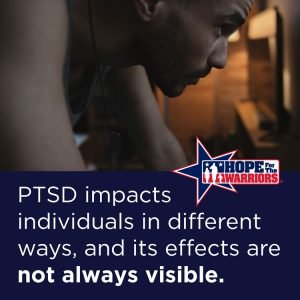 While veterans are commonly associated with PTSD, anyone who has experienced trauma can develop the disorder—including but not limited to survivors of abuse, natural disasters, accidents, or any life-threatening event.
 - People with PTSD Are Violent. The portrayal of individuals with PTSD as dangerous is a harmful stereotype. Most people with PTSD are not violent. They may experience irritability or anger, but this does not equate to a propensity for violence.
- PTSD Is a Sign of Weakness. PTSD does not define a person’s strength or character. PTSD is a mental health condition that can affect anyone, regardless of their resilience or toughness.
- PTSD Is Always Immediate. Symptoms of PTSD can appear shortly after a traumatic event, but they can also emerge months or even years later. The delayed onset can make it challenging to connect the trauma to the symptoms.
Facts
- Symptoms Vary Widely. PTSD symptoms can range from flashbacks and nightmares to avoidance of certain places or situations, adverse changes in thoughts and mood, and hyperarousal (being on edge). Each person’s experience is unique.
- Diagnosis and Treatment. PTSD is diagnosed through clinical interviews and assessments. Treatments that can be effective include psychotherapy (such as cognitive-behavioral therapy and EMDR) and medications (such as SSRIs). Early intervention can significantly improve outcomes.
- Prevalence. In the United States, 7-8% will experience PTSD at some point in their lives. Among veterans and survivors of sexual assault, that percentage is much higher.
- Impact on Daily Life. PTSD can interfere with daily activities, relationships, and work. It is a debilitating condition that requires compassion and appropriate treatment to manage effectively.
PTSD and the Veteran Population
Stemming from their exposure to combat and other traumatic experiences during service, veterans are said to be at a higher risk for PTSD. The following points highlight the impact of PTSD on veterans:
- Combat Exposure. Veterans who have experienced combat or been in life-threatening situations are more likely to develop PTSD. The constant threat of harm, witnessing the death or injury of comrades, and dealing with the aftermath of combat can be deeply traumatic.
- Transition to Civilian Life. The shift from military to civilian life can be challenging. Veterans may struggle with finding employment, reconnecting with family and friends, and adjusting to a less structured environment. These stressors can exacerbate PTSD symptoms.
- Stigma and Support. Despite increased awareness, the stigma surrounding mental health persists in the military community. Veterans may hesitate to seek help because of fears of being seen as weak or facing career repercussions. Creating an environment where seeking help is encouraged and supported is crucial.
- Resources and Support Systems. Hope For The Warriors can also provide essential services for post-9/11 service members with PTSD. At HOPE, we have several programs and services for post-9/11 vets. Some of the many programs include financial wellness, physical and emotional wellness, social support and community connection, and training and education. Click here to be directly connected.
- Other organizations, like the Department of Veterans Affairs (VA), provide essential services for veterans with PTSD, including counseling, support groups, and treatment programs. A supportive network of peers also plays a vital role in helping veterans cope with their experiences.
Summing it all up
Understanding that PTSD looks different for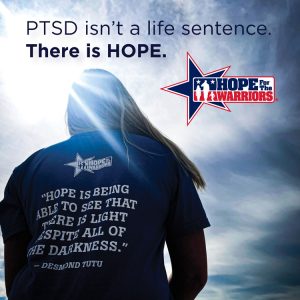 everyone is critical to providing practical support and treatment. By debunking misconceptions and acknowledging the diverse ways PTSD can manifest, we can foster a more compassionate and informed approach to this complex condition. Recognizing the unique challenges veterans face is vital to ensure we are providing targeted resources. This can make a significant difference in their recovery and quality of life.
Where to Find Help / More Information:
- Cohen Veterans Network
- The U.S. Department of Veterans Affairs, National Center for PTSD
- Learn about PTSD from Veterans who’ve lived it
- Resilience Behavioral Health
- VA Peer Support Groups
HOPE is here to HELP
Hope For The Warriors Clinical Support Services identify and fill gaps in mental health care for post-9/11 combat injured service members, veterans, and caregivers. We use a wellness approach that looks at all areas of a person’s life to help identify parts needing additional support. Our suite of Clinical Support Services meet many needs.
Therapeutic Interventions
In some instances, a veteran or family member is not able to obtain or is hesitant to seek mental health care treatment within their community or from the VA. Our clinical team provides short-term tele-mental health therapy focusing on strengths and addressing acute stressors. Support can include developing new coping skills, refreshing existing coping skills, psychoeducation to learn more about emotional well-being and identification of support systems. Our team of Master Level Social Workers aims to assess our clients’ needs for treatment, address barriers to treatment, and find the best care options available. The scope of services provided depends upon the applicant’s state of residence and current licenses held by Hope For The Warriors staff.
“HOPE offers five scholarships that range in financial award from $1,800-$2,500 and support degree types from certifications and associates through master’s and doctorate degrees. The application period happens twice a year to support fall and spring academic semesters.”
Brian, do you partner with any veteran organizations or job fairs? If so, how have these partnerships influenced your hiring process?
“Yes, 3 or 4 times a year, our HOPE transition team will have webinars featuring various companies and organizations with initiatives focused on hiring veterans. We see these webinars as productive workshops and part of our Warrior’s Compass initiative to help support career readiness. Each event focuses on our warrior community, including our current military spouses, service members preparing to separate or retire, and our veterans and their spouses.”
Join Us in Supporting Heart Health
Your support enables us to continue providing these life-changing programs to those who serve and their families. Consider how you can make a difference—whether it’s by donating, partnering with us, or incorporating heart-healthy habits into your life. Every step counts. Together, we can foster a healthier, more resilient community. Donate Now to support veterans and their families in achieving heart health and holistic well-being.
Sources in this article
- https://www.cdc.gov/heart-disease/about/about-heart-disease-and-mental-health.html
- American Heart Association: https://www.heart.org/en/healthy-living/healthy-eating/eat-smart/nutrition-basics/aha-diet-and-lifestyle-recommendations
- https://www.health.harvard.edu/heart-health/mindfulness-can-improve-heart-health