
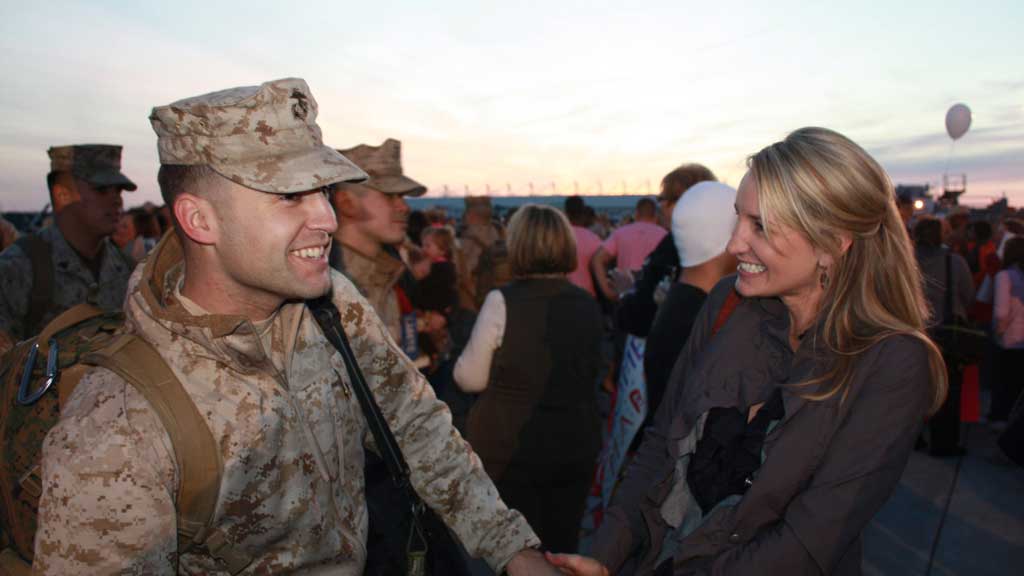
Since its inception, Hope For The Warriors has provided direct financial assistance to veterans, military families, Families of the Fallen, and Gold Star families. As the needs of veterans have shifted over the years, HOPE has evolved its Critical Needs Program (CNP) to meet these changing demands. What began as a response to physical combat injuries has grown into a multifaceted program addressing the broader financial and emotional well-being of the veteran community.
The Changing Landscape of Veteran Financial Needs
In 2006, the financial needs of veterans were often linked to physical injuries sustained in combat. Many veterans faced sudden income loss as they transitioned from active duty to veteran status, with VA disability benefits delayed and little time to prepare. HOPE stepped in to fill the gap, providing crucial financial support during these challenging transitions.
Fast forward to 2024, and the landscape has changed. Veterans now approach HOPE with financial needs that are less connected to physical injuries and more tied to mental health challenges, employment difficulties, and rising living costs. As combat deployments have decreased, new systems within the Department of Defense (DoD) and service branches, such as Wounded Warrior Battalions, offer care for those injured during service. Additionally, greater awareness around mental health has led to expanded VA disability benefits for mental health conditions, providing new income streams for some veterans.
Housing Insecurity: A Pressing Concern
Today, approximately 65% of veterans seeking assistance through HOPE’s Critical Needs Program do so primarily for housing-related needs. Many veterans and their families face homelessness or imminent eviction, while others in residential treatment require help covering housing costs not addressed by VA benefits or insurance. Over 70% of financial assistance provided by HOPE is directed toward securing or maintaining housing. This veteran homelessness prevention effort has become a cornerstone of the Critical Needs Program.
Here is an example of HOPE in action. Jim had served in the Army with two deployments to Iraq but was not connected to Veterans Benefits Administration (VBA) services. He had recently survived a suicide attempt, was homeless, and had been living in his truck. Within 24 hours of receiving Jim as a referral, a Hope For The Warriors Regional Social Worker connected him to a local organization for immediate temporary housing and support services. These support services included assistance with VA disability claim filing, state benefits applications, and unemployment benefits applications. HOPE helped Jim secure stable, long-term housing closer to family and community support to ensure long-term sustainability. Jim then received a grant for his first month’s rent and security deposit, utility fees, essential household necessities, and a stocked pantry. This direct financial assistance helped Jim create a successful transition to permanent housing. HOPE continued to walk with Jim on his journey, helping him find his path to stability.
The Critical Needs Program also addresses related financial pressures, such as utility bills and auto loan payments, which often become secondary priorities when housing stability is at risk. HOPE’s support helps prevent a cycle of unpaid bills, late fees, and mounting debt that can destabilize veterans and their families. This holistic veteran financial assistance program provides a crucial safety net.
Financial Wellness and Education
Beyond direct financial assistance, HOPE’s social work team is pivotal in guiding veterans toward long-term economic stability. All veterans who engage with the Critical Needs Program receive personalized assessments of their budgets, spending habits, and overall needs. HOPE employs additional certified financial social workers who offer in-depth education and counseling on debt management, budgeting, and financial decision-making. This veteran-focused financial education helps participants build sustainable economic habits.
“Obtaining and maintaining housing is a basic human need, one that is necessary for the continued growth and well-being of an individual. That’s why our social work staff uses a ‘housing first’ concept,” Shelley Rodriguez, HOPE’s Director of Clinical Case Management and Financial Wellness.
Veterans are given financial aid and empowered to manage their finances more effectively, addressing behaviors that may contribute to ongoing economic challenges. This proactive approach to veteran housing support ensures stability long after the initial crisis has passed.
The Impact of Inflation

Inflation continues to weigh heavily on veteran households. Without corresponding increases in income from employment, VA disability benefits, Social Security Disability Insurance (SSDI), or military retirement, veterans often face tough choices about which bills to prioritize. Data from 2024 shows that veterans allocate an average of 39% of their income toward housing, surpassing the general recommendation of 30%. As a result, programs like HOPE’s Critical Needs Program may provide essential veteran financial assistance to bridge the gap.
HOPE’s social work team helps veterans navigate these financial pressures by creating tailored plans to address immediate needs while working toward long-term stability. The goal is to ensure veterans maintain safe, permanent housing without sacrificing other essential needs.
”“We are extremely grateful not only to receive help but also for the tools you provided us to tackle our future. You have given us a huge stepping-stone to kick-start our goals. I can’t thank you enough for being a beacon of HOPE when I thought there was none.”
—Military family that received financial assistance with mortgage, power, and gas bills
A Holistic Approach to Veteran Support
HOPE’s social work team, composed of graduate-level professionals and MSW interns, brings a wealth of experience and military cultural competence to their roles. This comprehensive approach allows them to address not only financial concerns but also the underlying issues veterans may face, such as mental health struggles, substance use, and increased risk of suicidality.
By integrating clinical support with financial assistance, HOPE ensures veterans receive holistic care that helps to address the root causes of economic instability.
Looking Ahead
As the needs of veterans continue to evolve, HOPE remains committed to adapting its Critical Needs Program to provide timely, relevant support. Whether addressing housing insecurity, mental health, or financial literacy, HOPE is a vital resource for veterans and their families, helping them navigate the complexities of post-service life. For more information on veteran financial assistance, visit HopeForTheWarriors.org.